
How AI Will Reshape Work in 2026: Key Trends
Articles Mar 14, 2026, 9:00:00 AM Seth Mattison 5 min read
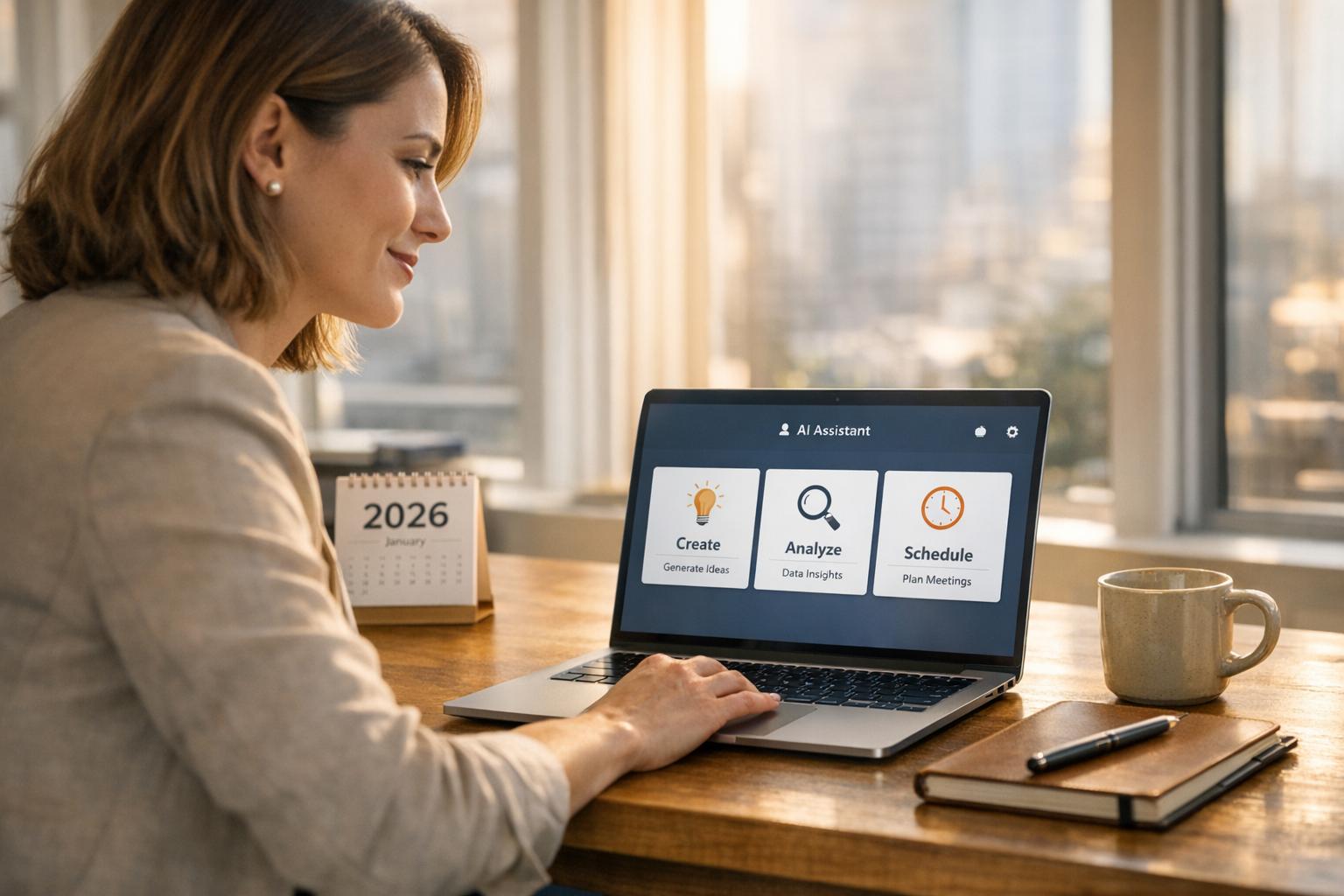
The global workplace, once defined by predictable routines and human-centric processes, is undergoing a seismic transformation. At the heart of this shift is artificial intelligence (AI), a technology that has rapidly evolved from an experimental niche to an indispensable force. With 2026 underway, the question is no longer if AI will reshape work, but rather how profoundly and how soon. This article dives into the transformative power of AI, its rapid trajectory, and its implications for industries, businesses, and professionals as they navigate the future of work.
The Rise of Generative AI: Lessons from 2025
The year 2025 marked a turning point in AI adoption. As David Aibade, an AI expert and product lead at Smart Church, explained, generative AI became the fastest-adopted technology in human history, surpassing the early internet, mobile phones, and even personal computers. The reason? Generative AI tools offered unprecedented power, enabling users to produce content, analyze data, and make complex decisions with ease - tasks that were once labor-intensive.
This surge was driven by tools like OpenAI’s ChatGPT, which expanded AI’s utility beyond niche applications to everyday workplace functions. AI was no longer limited to autocorrecting texts or powering virtual assistants like Siri; it became a versatile workplace companion capable of creative innovation and decision support. As a result, many organizations integrated AI tools into their operations, setting the stage for even broader adoption in 2026.
sbb-itb-9ceb23a
What to Expect from AI in 2026
The workplace of 2026 is witnessing the next wave of AI evolution. According to Aibade, we are transitioning from generative AI to "agentic AI", a form of intelligence capable of independent action and decision-making. Agentic AI, as the name suggests, has "agency" - the ability to act autonomously within set parameters. This progression carries immense potential but also significant risks.
The Evolution of AI: From Generative to Agentic and Beyond
- Generative AI: Produces creative content, analyzes data, and supports decisions. This stage has already achieved mass adoption.
- Agentic AI: Acts with autonomy, making decisions without human intervention in certain scenarios. For instance, agentic AI might manage routine business operations or customer interactions independently.
- Physical AI: Combines AI capabilities with physical machinery, leading to advancements like smart robotic assistants and self-driving cars. This is a step toward AI-integrated environments like smart homes and workplaces.
- Superintelligent AI (Theoretical): A future concept where AI surpasses human intelligence and operates without considering human constraints - raising ethical and existential questions.
While we are currently transitioning into the agentic AI phase, demonstrations of physical AI at events like CES 2026 hint at a future where AI-powered robots and smart devices will become everyday tools.
Opportunities and Risks of Autonomous AI
The rise of agentic AI brings unique advantages and challenges:
- Opportunities: Businesses can automate routine tasks, improve efficiency, and shift human focus to strategic and creative pursuits. For example, AI could manage customer service inquiries or analyze market trends in real-time.
- Risks: Autonomous AI raises concerns about control, ethics, and safety. If left unchecked, AI systems could make decisions that conflict with human values or cause unintended harm.
Aibade emphasized the importance of proactive research and regulation to mitigate these risks. Governments, organizations, and individuals must collaborate to establish ethical frameworks and ensure long-term control over AI systems.
The Changing Workforce: Humans and AI as Colleagues
A recurring theme in the discussion is the reshaping of the workforce. By 2026, workplaces are expected to feature two primary types of employees:
- Human staff: Focused on strategic, managerial, and creative roles.
- AI staff: Handling data-driven, repetitive, or highly technical tasks.
This co-existence will redefine job roles and organizational structures. Some traditional roles may disappear, but history shows that technological advancements create new, often more profitable opportunities. For example, the internet eliminated typist jobs but created careers in web development, social media management, and e-commerce.
Aibade highlighted that the key to thriving in this new era is adaptability. Organizations must train employees to work alongside AI, focusing on skills that complement rather than compete with technology.
Positioning for Success: Strategies for Businesses and Leaders
For businesses and leaders, the question isn’t whether to adopt AI but how to integrate it effectively. Here are actionable strategies to embrace AI in 2026:
1. Invest in AI Training
- Equip employees with the knowledge and skills needed to use AI tools effectively.
- Focus on upskilling in areas like AI-powered data analysis, creative content generation, and decision-making support.
2. Adopt a Hybrid Workforce Model
- Leverage both human and AI staff to maximize productivity.
- Assign AI to repetitive or data-heavy tasks while empowering humans to focus on creativity and leadership.
3. Develop Clear AI Policies
- Establish guidelines for data collection, transparency, and ethical AI use.
- Ensure compliance with global standards while addressing local needs.
4. Promote Innovation
- Encourage experimentation with AI-powered solutions to unlock new business opportunities.
- Stay informed about emerging AI trends to maintain a competitive edge.
5. Foster Collaboration
- Create cross-functional teams that integrate AI experts, business leaders, and policymakers.
- Build partnerships with AI-focused organizations to accelerate adoption and innovation.
The Role of Education in AI Adoption
Education plays a pivotal role in preparing individuals and organizations for an AI-driven future. Aibade emphasized the importance of early exposure to AI concepts, suggesting that AI education should begin in primary and secondary schools. Integrating AI into curricula will ensure that future generations possess the skills needed to navigate an AI-dominated world.
In addition to formal education, continuous learning should be a priority for professionals. Aibade’s advice is simple yet powerful: "Learn how to do something new with AI every day." This mindset ensures that individuals stay ahead of AI advancements and remain valuable in the workplace.
Key Takeaways
- Generative AI revolutionized the workplace in 2025, enabling mass adoption of AI tools.
- 2026 marks the transition to agentic AI, where systems act autonomously, raising both opportunities and ethical concerns.
- The workforce will evolve into a hybrid model of human and AI staff, requiring businesses to adapt their organizational structures.
- Education and upskilling are critical for professionals and organizations to thrive in an AI-driven world.
- Businesses should focus on AI training, clear policies, and innovation to stay competitive in 2026 and beyond.
- Collaboration between governments, organizations, and individuals is essential for ethical AI development.
Conclusion
Artificial intelligence is not just transforming work - it is redefining the very fabric of industries, economies, and societies. As we stand at the crossroads of generative and agentic AI, the choices we make today will shape the opportunities of tomorrow. For business leaders, decision-makers, and professionals, the challenge is clear: embrace AI with intentionality, foster a culture of continuous learning, and position yourself for a future where humans and machines work hand in hand.
The future of work is already here. The question is - are you ready to lead in it?